The Compliance Burden on Finance Teams
Finance teams spend an estimated 30-40% of their time on compliance-related activities: documenting approvals, maintaining segregation of duties, preparing audit evidence, and responding to auditor inquiries. This burden grows with each new regulation, from SOX and IFRS to local tax requirements. The irony is that most of this compliance evidence is generated during normal business operations but is lost because processes are manual and undocumented. Business process management software captures this evidence automatically, turning compliance from a separate workstream into a natural byproduct of daily operations.
Automated Audit Trails in ISO BPMS
Every action in ISO BPMS generates an immutable audit record: who created a payment, who approved an expense, when an invoice status changed, and what values were modified. The platform's event-driven architecture means that these records are created at the system level, not by user discipline, so they cannot be bypassed or forgotten. The Finance module specifically tracks account transactions, budget allocations, and payment approvals with full attribution. When auditors request evidence of your expense approval process, you generate a report rather than scrambling through email archives and filing cabinets.
Enforcing Segregation of Duties Through Workflow Design

Segregation of duties is a cornerstone of financial controls: the person who creates a purchase order should not be the same person who approves payment. ISO BPMS enforces these controls through its workflow automation engine and role-based access control system. Approval workflows can be configured to require sign-off from specific roles, prevent self-approval, and escalate based on transaction amounts. Field-level permissions ensure that sensitive financial data like bank account details is visible only to authorized personnel. These controls are defined in metadata and enforced by the platform, removing the human error factor from compliance.
Real-Time Financial Visibility and Reporting

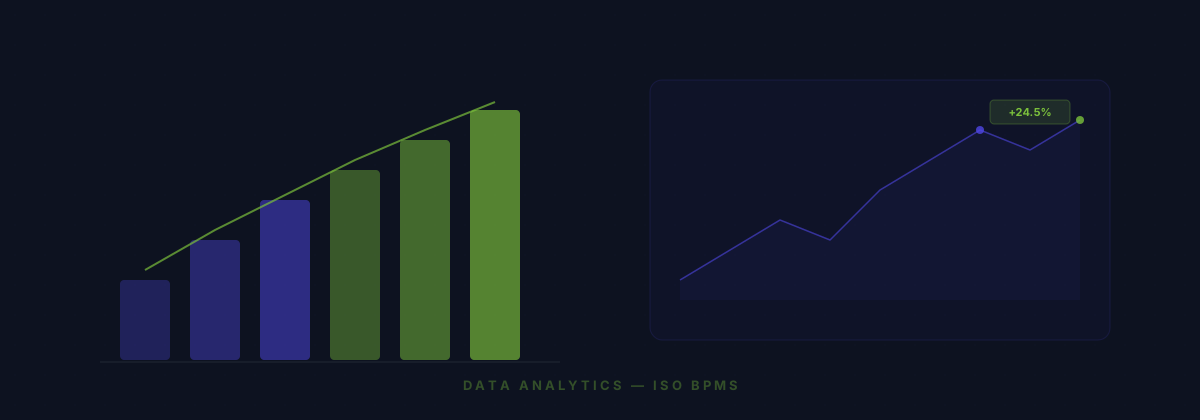
Beyond compliance, automated financial processes provide leadership with real-time visibility into cash flow, outstanding invoices, and budget utilization. ISO BPMS dashboards aggregate data from the Finance module to show key metrics at a glance: accounts receivable aging, expense trends by category, and budget variance by department. Because the data is captured as part of automated workflows rather than manual reporting cycles, these dashboards reflect the current state of the business, not last month's snapshot. This real-time visibility enables faster, more informed financial decisions.