The Logistics Challenge: Manual Processes at Scale
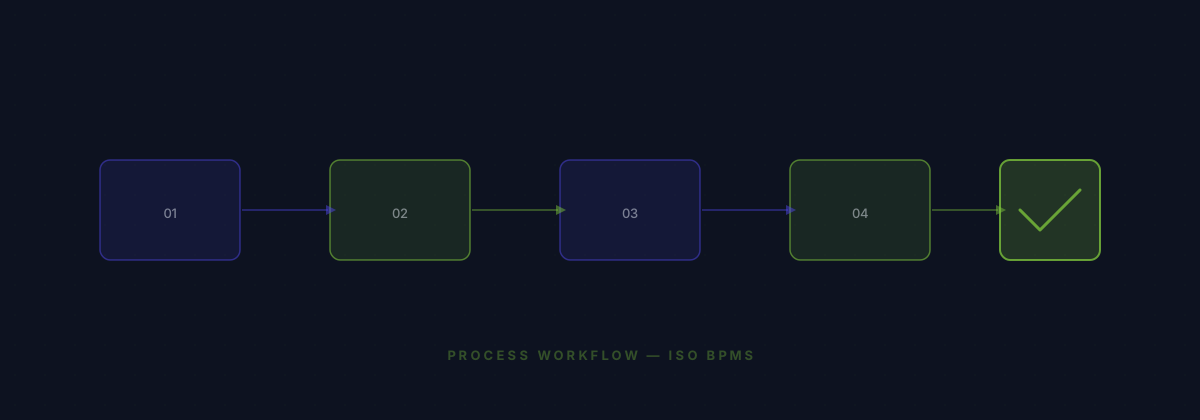
Logistics companies handle thousands of shipments daily, yet many still rely on spreadsheets, phone calls, and email chains to coordinate dispatch, routing, and delivery confirmation. These manual processes introduce delays, create data silos between warehouse teams and drivers, and make it nearly impossible to provide customers with accurate delivery estimates. A single missed handoff between departments can cascade into late deliveries, lost packages, and damaged client relationships. Business process management platforms like ISO BPMS eliminate these bottlenecks by connecting every step of the shipping lifecycle into a single, automated workflow.
Automating Order-to-Delivery with Workflow Automation
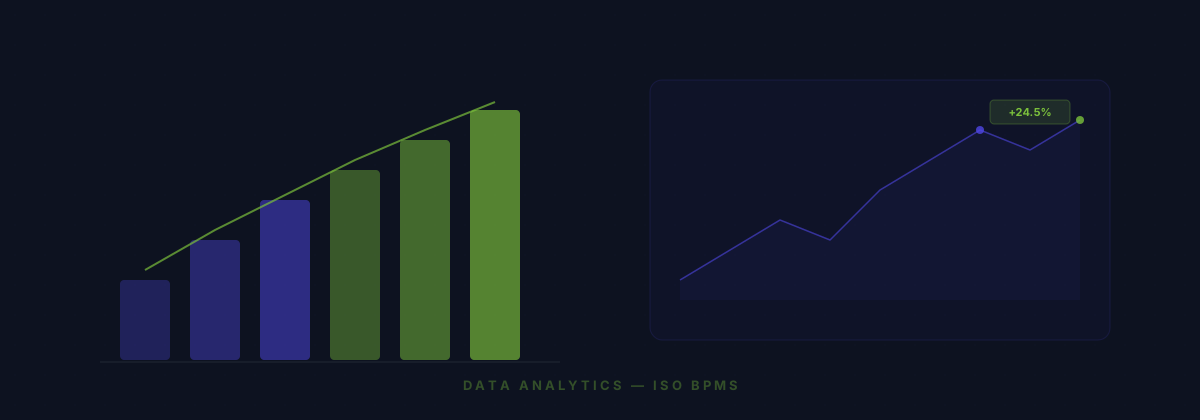
With ISO BPMS, logistics teams build end-to-end shipping workflows using a visual drag-and-drop designer. When a new order arrives, the system automatically assigns it to the nearest warehouse, generates pick lists, triggers packaging workflows, and schedules dispatch based on delivery windows. The metadata-driven architecture means you can model any shipping process without writing code. Route optimization rules, carrier selection logic, and exception handling are all configured as workflow nodes. Real-time status updates flow through the platform via server-sent events, so dispatchers, drivers, and customers all see the same information at the same time.
Real-Time Tracking and Exception Management
Delivery exceptions like address errors, failed attempts, and weather delays are inevitable in logistics. ISO BPMS handles these with conditional workflow branches that automatically reroute packages, notify customers, and escalate issues to supervisors when needed. The AI-powered engine learns from historical exception data to predict and prevent common problems before they occur. Every event is logged in the audit trail, giving operations managers full visibility into where delays happen and why. Integration with the Helpdesk module means customer complaints about shipments are automatically linked to the relevant order and delivery workflow.
Scaling Logistics Operations Without Complexity

As logistics companies expand into new regions or add service types, ISO BPMS scales with them. New delivery zones, carrier integrations, and compliance requirements are added through the metadata layer without modifying the underlying system. The multi-module architecture connects shipping workflows to inventory management, procurement, and finance, creating a unified operations platform. Companies using workflow automation for logistics report up to 40% faster order processing and significant reductions in delivery errors. ISO BPMS makes that level of automation accessible without a dedicated engineering team.