The Problem with Dashboards
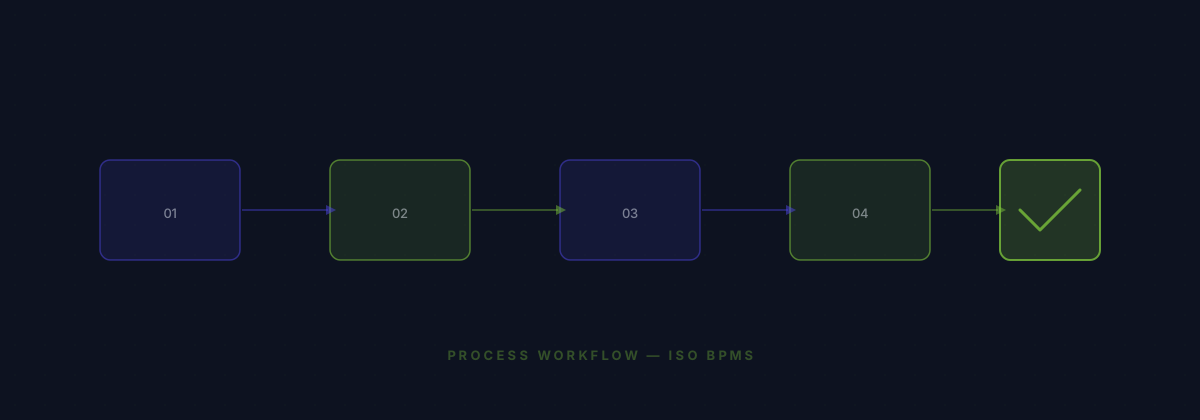
Most COOs have dashboards. Very few have operational visibility. The difference is not the number of metrics — it is whether the information arrives in time to act on it.
A dashboard that aggregates last week data tells you about problems that have already compounded. A true operational command center surfaces exceptions as they happen, routes them to the right owner, and tracks resolution.
What Reactive Operations Looks Like
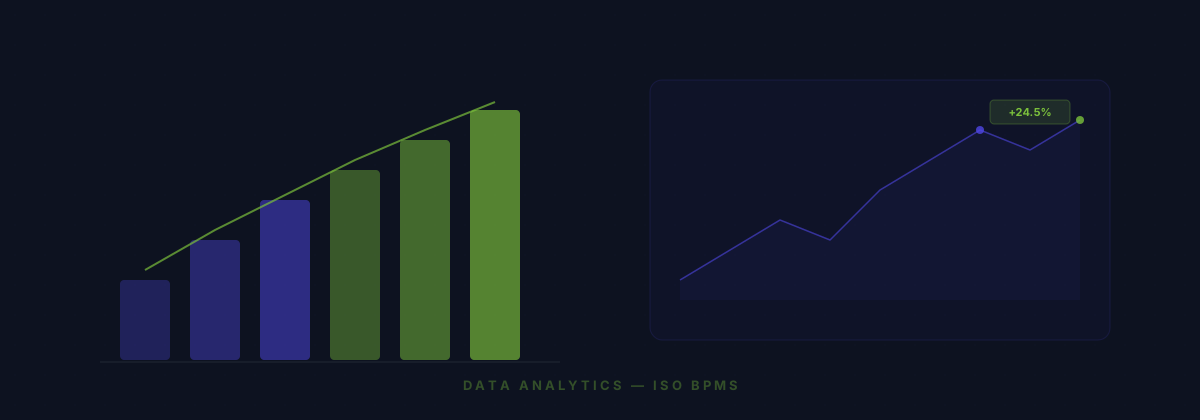
In reactive organizations, the signal that something went wrong arrives through escalation: a customer complaint, a missed deadline flagged in a meeting, a budget overrun discovered at month-end. By then, the cost of the problem has already multiplied.
The COO spends significant time in status meetings precisely because there is no reliable way to know operational state without asking. Every meeting is, in part, a data-gathering exercise.
The Shift to Proactive Operations
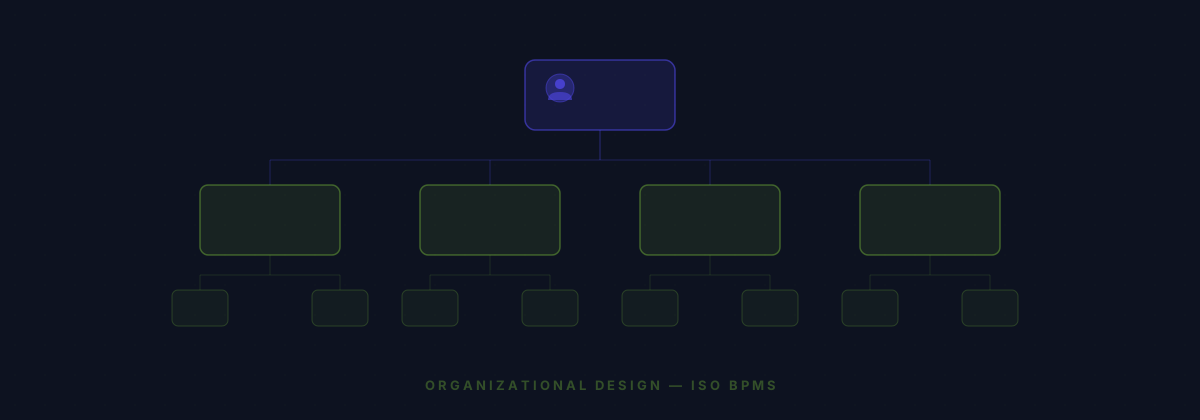
Proactive operations require two things: structured processes, so the system knows what should happen and when, and exception surfacing, so deviations are flagged before they escalate.
When every operational workflow — procurement, HR, project delivery, customer onboarding — runs through a defined system, leaders can see what is on track, what is delayed, and what is blocked. Not from a report. In real time.
Building Cross-Departmental Visibility
The most powerful shift is when visibility spans departments. A delivery delay that starts in procurement shows up in project timelines before it reaches the customer. A hiring bottleneck in HR appears in the operations dashboard before it affects capacity planning.
This cross-functional visibility is what transforms the COO role from crisis manager to strategic operator. Problems become visible when they are still small enough to solve.
The Leadership Conversation That Changes
When operations leaders have real-time process visibility, the executive conversation changes. Instead of status updates, leadership meetings focus on decisions. Instead of finding out what went wrong, the discussion is about what to prioritize next.
That is the difference between a dashboard and a command center. One shows you the past. The other gives you control of the present.