The 30-Day Blindspot
In most organizations, the rhythm of operational information is monthly. Finance closes the books, data is compiled, reports are written, and slides are prepared. By the time the leadership team reviews the numbers, the information describes a business that no longer exists. Markets have moved. Customer situations have changed. Problems that were small are now large. The monthly report is a history lesson, not a management tool.
This is not a minor inconvenience. Decision lag is the hidden driver behind most strategic failures. When the feedback loop between what is happening and what leadership knows is measured in weeks, course corrections arrive late. Early warning signals are missed. Resources are committed to initiatives that were already failing before the data reached the boardroom.
What Real-Time Visibility Actually Means
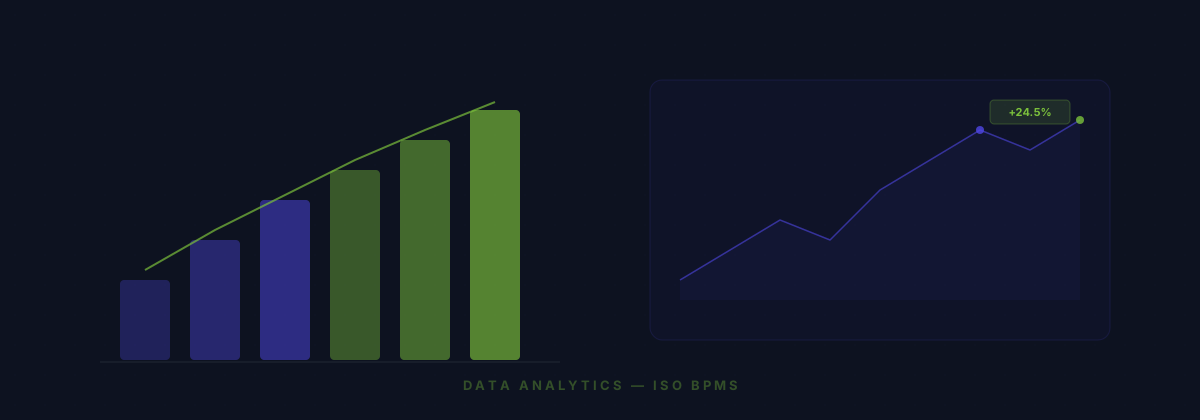
Real-time operational visibility does not mean a dashboard with live database queries. It means three things. First, every operational process generates data as it runs — not as it is reported. A deal closing, an invoice being approved, a project milestone being completed, a customer ticket being escalated — these are all events that create information the moment they happen.
Second, that data is connected across departments rather than siloed in individual systems. A revenue number without the cost data behind it is incomplete. A project status without the resource utilization behind it is misleading. Real visibility means the connections between data — the relationship between sales pipeline and capacity, between headcount and project delivery, between expenses and budget — are live and visible.
Third, the insight is accessible without requiring an analyst to produce it. When a CEO or COO can ask any question about their business and get an answer in seconds rather than submitting a report request, the nature of leadership changes. Decisions become faster, more confident, and more frequently right.
The Questions That Change When Visibility Is Live
The difference between having and not having real-time visibility is most visible in the questions leadership can answer. With monthly reports: which deals closed last month? With live data: which deals are at risk of slipping this quarter, and why? With monthly reports: what did we spend in the last period? With live data: are we on track against budget today, and where are we running over? The shift from backward-looking to forward-looking is the shift from reporting to managing.
Getting There in 30 Days
Real-time operational visibility is not a years-long transformation project. It is a configuration exercise on top of a platform designed for it. Organizations that move their first operational area — typically CRM or project management — onto a unified platform have live dashboards for that area within 30 days. The key is starting with the area where the data lag is most painful, demonstrating the value clearly, and expanding from there. Waiting for a complete enterprise rollout before getting any visibility is the wrong sequence. Start with what matters most. The rest follows.